Swan Lake Farmers Association
Rooted in 1870. Training new farmers. Growing food for Delta communities that deserve better.
Bridging legacy with innovation
"We do not just inherit history; we build the infrastructure to sustain it."
The Swan Lake Farmers Co-op honors 150 years of Black land ownership while building the digital, agricultural, and economic infrastructure for the 21st century. Led by the shared vision of Pastor Bennie Brown and Technical Advisor Floyd Webb, we are transforming Jonestown and the Mississippi Delta through secure food autonomy, sustainable economic partnerships, and the next generation of independent farmers.
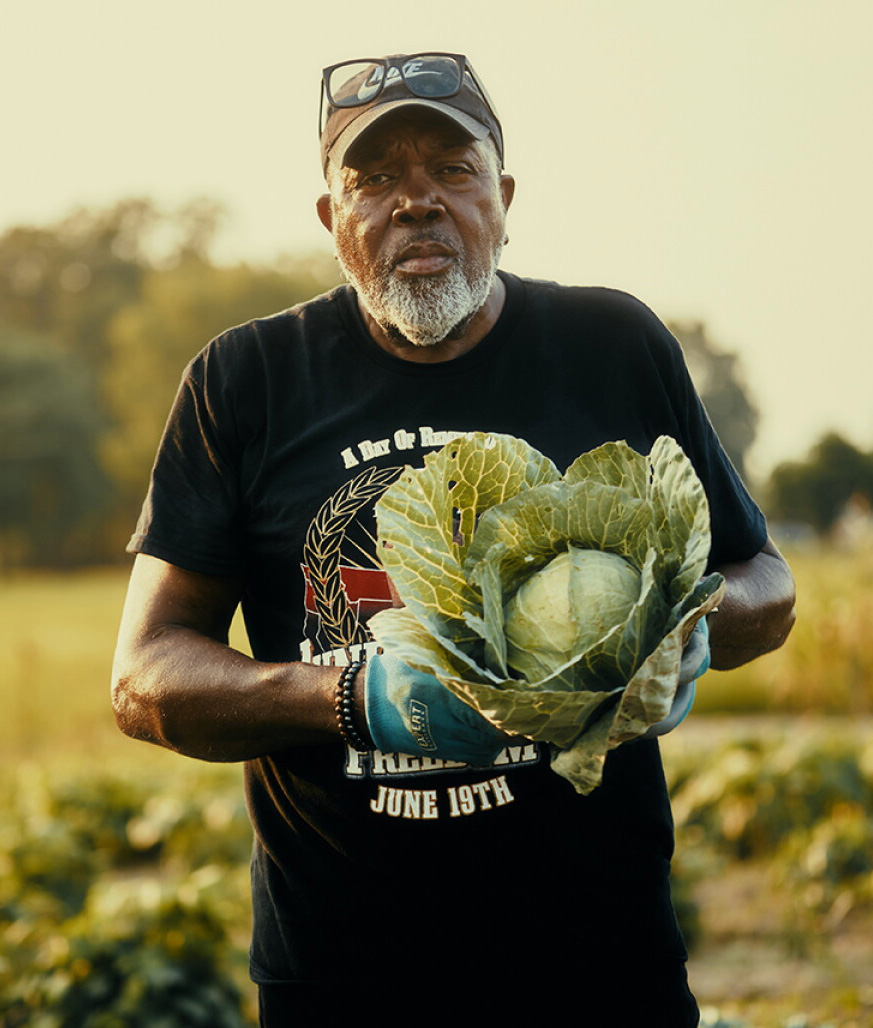
Faith, Soil & Sustainability
Cultivating the land, preserving local history, and feeding our community through hands-on farm incubation.
Pastor Bennie Brown is a prominent faith leader, local farmer, and community advocate dedicated to advancing food security and Black land ownership in the Mississippi Delta. He serves as the pastor of St. James Missionary Baptist Church in Jonestown and leads the historic Swan Lake Missionary Baptist Association.
Early Legacy: Raised by parents who canned and froze their own food to survive, Pastor Brown learned agricultural self-sufficiency at a young age. In 1962, his family moved to the Swan Lake Association land when his father was 57 years old—his father's first opportunity to own property.
The Farm Incubator: To honor the association's 1870 founding by 17 Baptist churches, Pastor Brown launched an ambitious farm incubator on 650 acres. Today he teaches self-sustainability through aquaculture, livestock farming, and the bold vision of making Coahoma County the "purple-hull pea capital of the world."
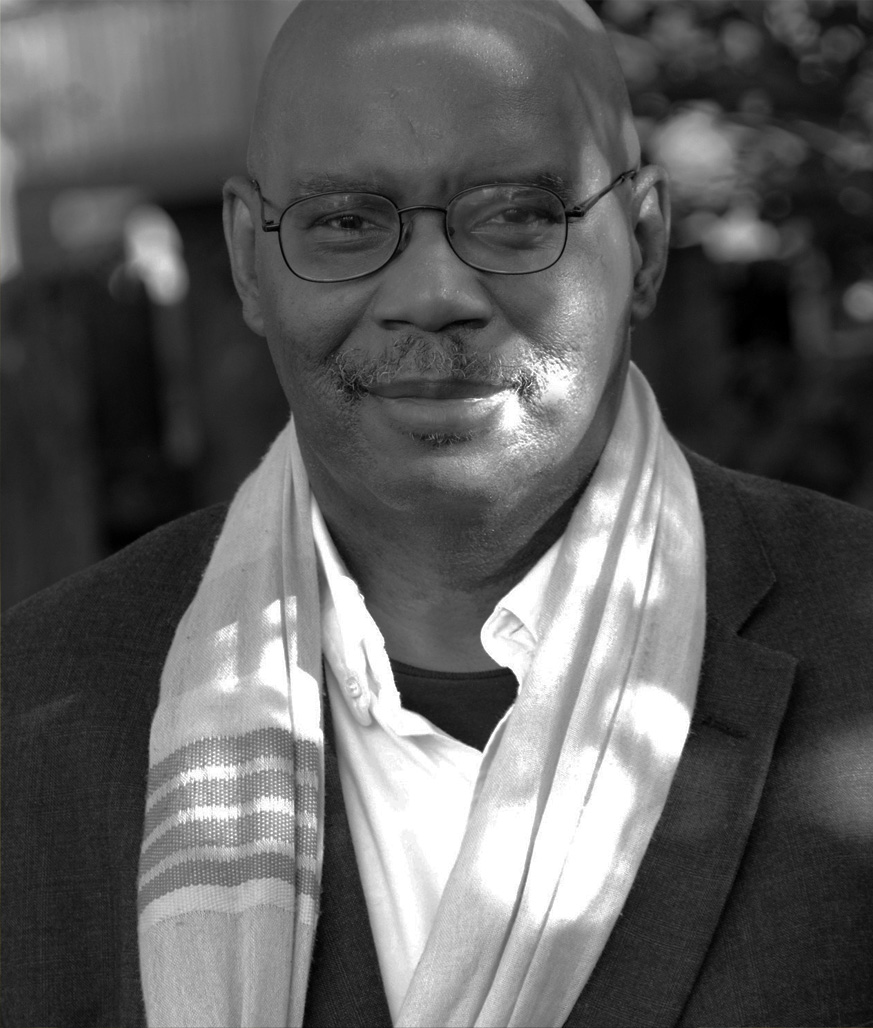
Tech, Network & Strategic Vision
Bridging the Delta with global networks, digital infrastructure, and 21st-century economic partnerships.
Floyd Webb serves as Technical Consultant and Project Advisor for Strategic Partnerships for the Swan Lake Farmers Co-op. Born in Clarksdale, Mississippi, and raised in Jonestown before his family relocated to Chicago, Webb spent decades working internationally—from Ujamaa Villages in Tanzania (1974) as a photojournalist to becoming a pillar of Black independent cinema as an associate producer for Julie Dash's Daughters of the Dust.
Global Expertise: Webb founded Chicago's acclaimed Blacklight International Film Festival and became a pioneer in digital media, 3D animation, and streaming technology across Europe, Africa, Japan, and the United States.
The Return Home: The passing of their beloved uncle, E.C. Cosby, reunited Webb with Brown and catalyzed a vision to leverage modern technology, global networks, and strategic partnerships to develop Jonestown for the 21st century. Today, he bridges the Swan Lake legacy of Black land ownership with digital and agricultural innovation.
156 years of land, community, and farming
In 1870, as Reconstruction was reshaping the South, Black churches across the Mississippi Delta pooled resources to buy land for freed families to farm together. That cooperative spirit became the Swan Lake Farmers Association—one of the era's most significant Black land-holding ventures, growing to more than 600 acres by the early 1900s.
Through the Great Migration, through generations of change, through the slow tide of Mississippi history, the churches that founded Swan Lake kept the land. They farmed it. They held it. In the hardest years, they kept it sacred.
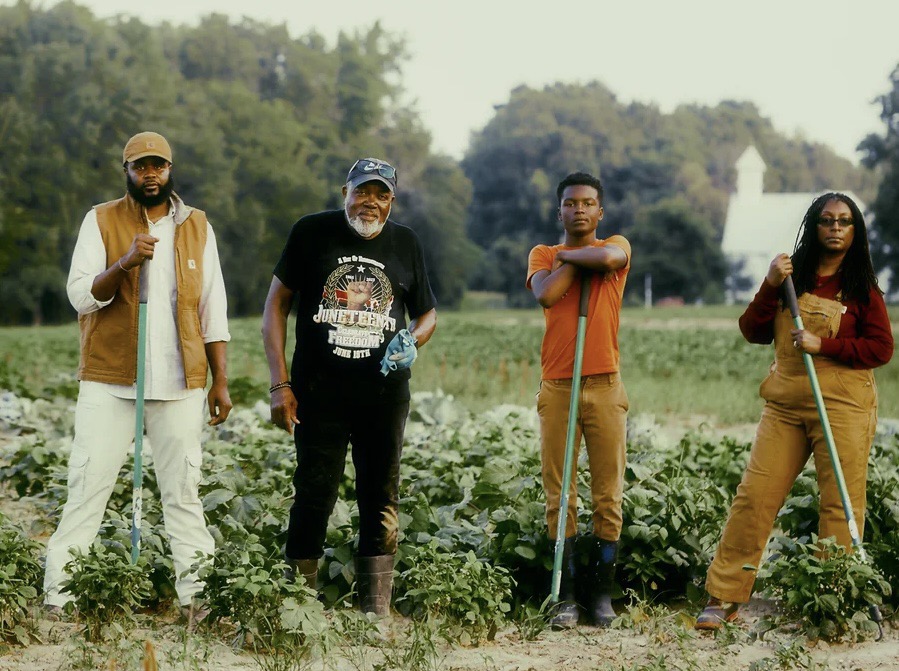
Rev. Bennie Brown, pastor of St. James Missionary Baptist Church, now leads that legacy forward. On the same historic acres, he runs a farm incubator training a new generation of Black farmers — seven so far — to grow crops for Jonestown and neighboring towns like Coahoma, Lula, Friars Point, and Clarksdale, none of which have a full-service grocery store nearby.
A recent grant from the Reuben V. Anderson Center for Justice helped the association buy a tractor and equipment, putting new tools behind old ground. It's work that echoes Fannie Lou Hamer's Freedom Farm Cooperative and the vision of Mound Bayou — proof that when Black communities organize around land, they build more than a harvest.
Key moments
Black churches across the Delta form the Swan Lake Farmers Association, buying land for newly freed families to farm together.
The association grows to more than 600 acres, becoming one of the era's most significant Black land-holding ventures.
Association visionary Silas Kelly co-founds the Delta Burial Corporation, one of the Delta's first Black-owned businesses.
Even as the Great Migration draws families north, the Swan Lake churches keep farming the land.
Pastor Bennie Brown and Floyd Webb lead a farm incubator on the same acres, training new Black farmers and feeding Delta communities with 21st-century innovation.
The farm incubator
On the same acres the association has held since 1870, Pastor Bennie Brown runs a farm incubator that trains new and beginning Black farmers directly on the land. Seven farmers are currently working through the program, learning to plant, tend, and harvest crops while getting hands-on experience running a farm.
Purple hull peas
A cornerstone crop for the co-op, with acreage planned to expand year over year.
Vegetables & staples
Additional crops grown to diversify what the farm can offer nearby communities.
Sustainable systems
Fish farming and animal husbandry to build long-term agricultural resilience.
What's happening
NBGC Model Farm Field Day at CMB Farms
Join the National Black Growers Council for a full day of field-based learning featuring soybean and rice production, equipment demonstrations, agricultural technology updates, and direct access to credit programs and market connections.
Agenda Highlights:
- 8:00 AM – Opening Remarks & Logistics with Christi Bland-Miller (CMB Farms), Sheldon Barrocks (Mars NA Supplier Inclusion), Dr. Dexter Wakefield (Alcorn)
- 8:15 AM – Other Producer Opportunities (ADM, NBGC, MS Land Bank & Southern AgCredit)
- 9:00 AM – 1st Soybean Stop (Corteva/Pioneer, AgLaunch)
- 9:30 AM – 1st Rice Stop (Row rice, irrigation techniques)
- 10:00 AM – 2nd Rice Stop (Straight levee rice, drone technology, tail-water recovery)
- 11:30 AM – Equipment Demonstrations (John Deere, Delta Ag Equipment)
- 11:45 AM – Technology Presentations (Procession AG, AG Launch Project, Mississippi State)
- 12:15 PM – All Things FSA (USDA Farm Service Agency)
- 12:30 PM – Closing Remarks, Survey, Lunch & Raffles
- 2:00 PM – AgLaunch Start-up School
Who Should Attend: Black farmers, beginning farmers, agricultural technology innovators, equipment suppliers, lenders, and anyone interested in sustainable agriculture and food security in the Delta.
Understanding the landscape
The struggle for Black land ownership and security in rural America is not new. It spans centuries—from Reconstruction-era land grants through the slow theft of the 20th century to disputes that persist today. We document the legal and historical landscape Black farmers navigate, anchored in recent, documented cases that illustrate how dispossession happens, and conclude with the resources and networks working to reverse it.
The Labuzan-Delane Case: A Documented Struggle
The legal case of Jennine Labuzan-Delane represents a recent struggle that illuminates how property disputes in rural America can become tools that dispossess Black farmers of ancestral land claims.
Quick Timeline:
1830s: Jennine Labuzan-Delane's third-great-grandfather, Charles A. Labuzan, secures an interest in 1,300 acres in Washington County, Mississippi via federal land patent.
1848: A recorded warranty deed shows Charles A. Labuzan transferring his interest to Merchants Bank of New Orleans.
September 2022: Labuzan-Delane files a pro se civil suit against agricultural businesses claiming unlawful occupation.
Court Ruling: The court accepts the 1848 deed as valid; rejects Labuzan-Delane's forgery claim. She loses at trial, appeals to the Fifth Circuit and Supreme Court—both rejected.
June 5, 2026: U.S. Marshals take Labuzan-Delane into federal custody for civil contempt after she refuses to sign quitclaim deeds.
June 23, 2026: Released after 18 days, still refusing to sign. Judge invokes Federal Rule 70, divesting her of property rights via court judgment alone.
Historical Context: 150 Years of Dispossession in the South
1910: Black farmers owned approximately 19 million acres—about 14% of all farmland in the United States. Mississippi hosted substantial Black land ownership.
The Long Erosion (1910–1970): Systematic loss through discriminatory USDA policies, tax foreclosure, heir property vulnerability, forged deeds, and racial violence.
Today: Black farmers represent 1.3% of all farmers. In Mississippi, the loss has been devastating—from ~1.3 million acres (1910) to ~300,000 acres (2017). A loss of over 77% in a century.
What This Means for Black Farmers
The Labuzan-Delane case reveals critical vulnerabilities:
- Recorded documents carry legal weight. Even disputed deeds are presumed valid once recorded. Challenging them requires forensic analysis, expert testimony, and strong legal representation.
- Pro se representation is a severe disadvantage. Navigating federal court alone against institutional defendants puts a claimant at structural risk.
- Courts have powerful tools. Federal Rule 70 allows judges to divest property owners without their consent or signature.
- Preventive steps matter. Clear title, organized documentation, title insurance, addressing heir property issues, and legal preparation are essential.
Resources for Black Farmers
Organizations
National Black Farmers Association (NBFA) • National Black Growers Council (NBGC) • Federation of Southern Cooperatives • Earthjustice • Community Land Trusts
Financial & Technical
USDA Farm Service Agency (FSA) • Mississippi Land Bank • First South Farm Credit • Southern AgCredit • Extension Services (Alcorn State, Mississippi State)
Becoming part of the association
Since 1870, Swan Lake has worked the way cooperatives are meant to: members pooling what they have — land, labor, equipment, knowledge — for the benefit of everyone involved. That spirit hasn't changed, but the association's formal membership structure is still evolving as the farm incubator grows.
Right now, farmers join by working directly with Pastor Bennie Brown. If you're interested in becoming a member, training as a farmer, or supporting the association in an ongoing way, reach out and he'll walk you through what's currently possible.
Voluntary membership
Anyone willing to put in the work and share in the responsibilities is welcome to be part of what we're building.
Community-held land
The land belongs to the community that farms it, not to any single owner — the same principle that founded Swan Lake in 1870.
Support in both directions
Members give labor and knowledge; in return, they gain training, equipment access, and a share in what's grown.
Nobody's coming through but us
Volunteer
Lend a hand during planting or harvest, or help host a farm tour or community event on the land.
Donate
Financial gifts, land, and equipment all directly support the farm incubator and the farmers training on it.
Land & equipment support
Tractors, tools, seed, and irrigation gear are always needed as the incubator takes on more farmers and more acres.
Purple hull peas & produce
Interested in buying what the co-op grows, or setting up a standing order or CSA share? Reach out — we're building this out and want to hear what you're looking for.
What's happening at Swan Lake
Juneteenth farm tour brings visitors to the association's land
Around 30 people toured four Black-owned farms across the north Mississippi Delta for Juneteenth, stopping at the Swan Lake land in Coahoma County to hear Pastor Bennie Brown talk about the site's history and his plans for purple hull peas.
New tractor and equipment purchased
A grant from the Reuben V. Anderson Center for Justice helped the association purchase a tractor and other equipment, giving the farm incubator new tools to work with as it grows.
Farm incubator training new farmers
Seven new and beginning Black farmers are currently training on the association's land, growing crops for Jonestown and neighboring Delta communities.
Contact us
Swan Lake Farmers Association is based on the historic Swan Lake land outside Jonestown, Mississippi, alongside St. James Missionary Baptist Church. Pastor Bennie Brown, the church's pastor and the association's farm leader, and Floyd Webb, Technical Consultant and Project Advisor, would love to hear from you.
Jonestown, Coahoma County, Mississippi